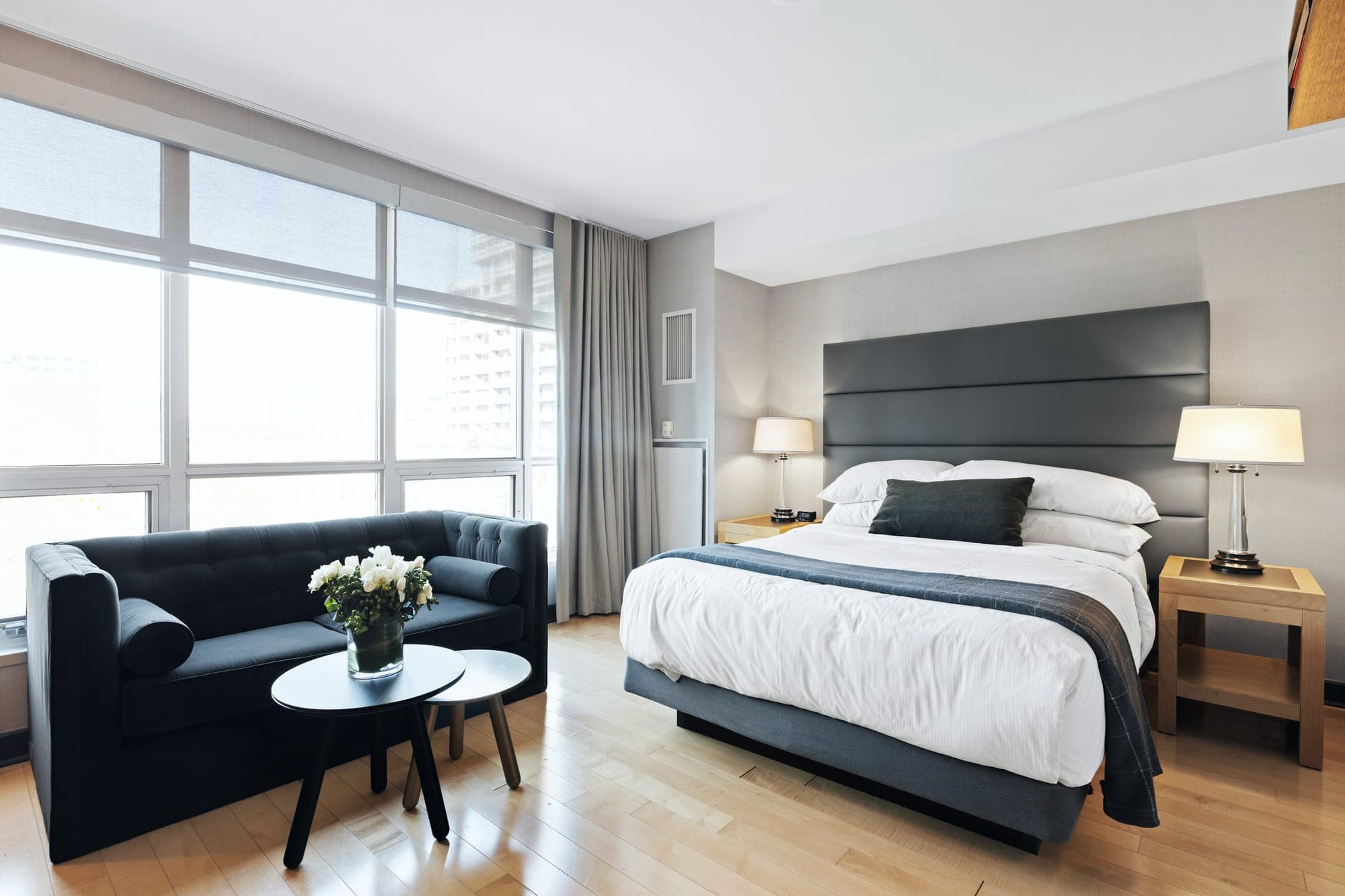
Application04
Ozone for room air treatment
Ozone neutralises odours at their source and reduces airborne microbes, mould spores and allergens, instead of covering smells with fragrance.
The problem
Odours from cooking, smoke, pets, damp and mould keep coming back when they are only masked.
Airborne bacteria, mould spores and allergens such as pollen, dust mites and pet dander affect comfort and health, especially for people with allergies.
How ozone helps
Ozone attaches to odour-causing molecules and microbes and oxidises them, changing their chemical make-up instead of hiding them. Once the source of a smell is gone, the smell does not come back.
When ozone has finished oxidising, it leaves no chemical residue or by-products behind.
Mould and mildew prevention
In damp or humid conditions, ozone targets spores and stops their growth.
Allergen reduction
Helps lower airborne allergens such as dust mites, pollen and pet dander.
Microbial control
A strong disinfectant against bacteria, viruses and other airborne germs.
Benefits06
What changes with ozone
- 01
Microbial control
Reduces bacteria, viruses and other airborne germs.
- 02
Odours removed, not masked
Neutralises strong smells from cooking, pets, mould, mildew and smoke.
- 03
Mould and mildew prevention
Keeps damp rooms fresher by stopping spores from growing.
- 04
Fewer allergens
Helps reduce pollen and other allergy triggers in the air.
- 05
No chemical residue
Nothing is left behind once ozone has done its work.
- 06
Healthier indoor spaces
Useful wherever hygiene matters, including healthcare settings.
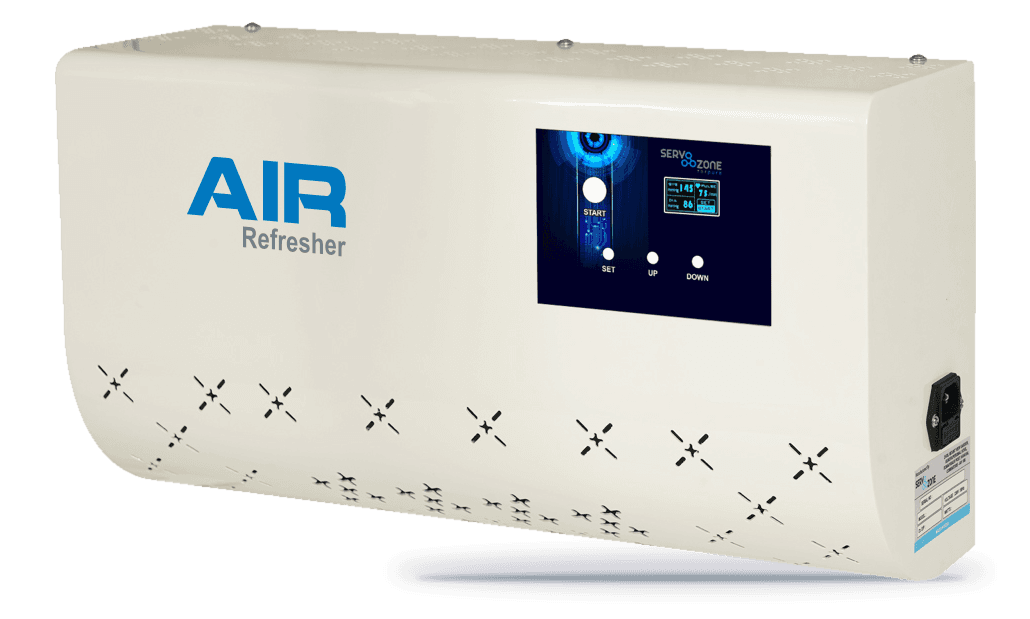
Recommended products
Products that fit
The right model depends on your flow, contact time and ozone demand. We can test first and size the system to your plant. [Model match: to confirm]
Questions
Room purifiers: common questions
Does ozone just mask smells?
No. Ozone oxidises the molecules that cause odours, changing them chemically, so the smell is removed rather than covered.
Does it help with damp and mould?
In moist or humid conditions ozone targets mould spores and stops them growing, which helps keep rooms mould-free.
Does it leave a residue?
No. Once ozone has finished oxidising, no chemical residue or by-products remain.
Request a quote
Request a quote for room purifiers.
Share your application and, if you know it, your flow or volume. We will come back with questions, a test plan or a quote.